
 Urban Reforms
🚀 Introduction: Rethinking City Infrastructure from the Ground Up
Urban cities around the world are struggling with aging infrastructure, frequent road digging, traffic disruptions, and inadequate drainage and utility networks. What if we could rebuild our cities to be future-ready — where underground tunnels carry water, electricity, communication cables, and even vehicles, and the surface is clean, green, and human-friendly?
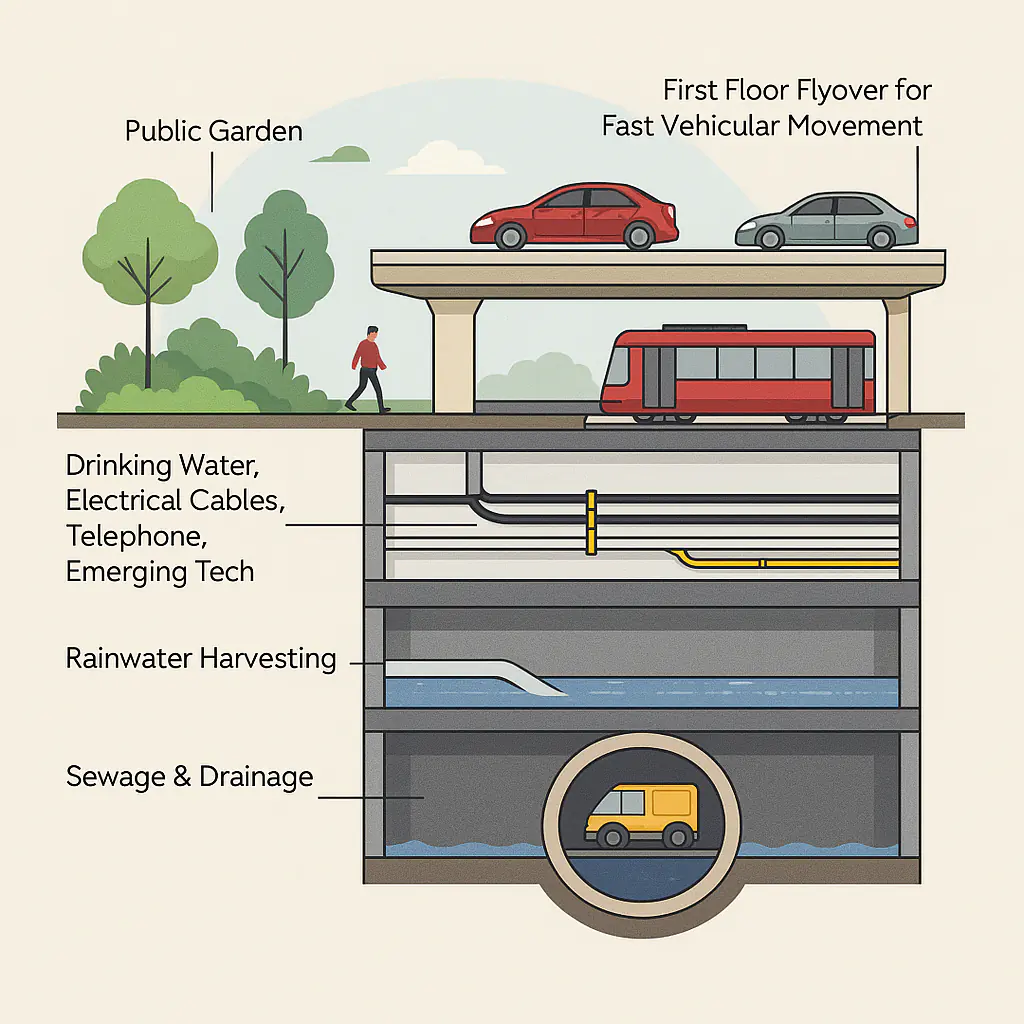
This vision document outlines a multilayered maintenance free** city, zero-disruption underground infrastructure system**, complete with dedicated access for maintenance personnel and future tech integration — supported by an above-ground ecosystem of green corridors, tram-based public transit, and elevated roads for private transport.
🏗️ Multilayered Maintenance-Free City Underground Infrastructure Model
Imagine an urban cross-section as a layered cake, each layer serving a critical function. Here’s how it works:
🔻 Level -3: Sewage & Drainage Mega-Tunnels
-
Large enough for specialized cleaning vehicles and maintenance staff to walk or ride.
-
Segregated into:
-
Black water (toilets & industrial) pipelines
-
Gray water (bath, kitchen) pipelines
-
Equipped with automated cleaning robots, air filtration, and methane capture systems.
🔻 Level -2: Rainwater Harvesting & Storage
-
Tunnels to collect, store, and redirect rainwater runoff from roads, rooftops, and parks.
-
Connected to:
-
Urban water recharge systems
-
Filtration units for secondary use
-
Helps eliminate urban flooding and boosts groundwater recharge.
🔻 Level -1: Utility Corridors (Walkable)
-
Fully walkable maintenance tunnels with grid-style access to:
-
Drinking water pipelines
-
Electricity cables
-
High-speed fiber optics
-
5G and future-tech cabling
-
Gas lines and vacuum waste pipelines
-
Smart IoT sensors monitor leaks, pressure, voltage, and unauthorized access.
📌 Key Feature: No more road digging! Every home or office gets connections through side branches from these tunnels, installed at construction phase.
🌍 Ground Level – The Human-Centric Layer
🌳 Public Gardens & Bio-Corridors
-
Green lungs of the city with:
-
Urban forests
-
Herbal plantations
-
Water features using recycled rainwater
-
Solar trees and benches with WiFi and EV charging
🚋 Slow-Speed Tram Corridors
-
Embedded at ground level within green zones.
-
Silent, electric, and high-frequency trams for intra-city movement.
-
Connects all major colonies, hubs, and underground metro nodes.
🛣️ Elevated First Floor – Fast Vehicular Movement
🛤️ Private Vehicle Flyover Network
-
Layered 20–25 feet above ground with:
-
3-lane roads in each direction
-
Entry/exit ramps integrated into main city spine
-
Reduces traffic at ground level and eliminates need for surface highways.
🌐 Future-Ready Features
🔌 Integrated Smart Grid
-
Decentralized solar or microgrid energy storage at the tunnel junctions.
-
Direct line-to-home energy via the Level -1 utility corridor.
📡 Future Tech Compatibility
-
Reserved ducts and lanes for:
-
Quantum internet cables
-
AI-powered traffic control
-
Vacuum tube transport
-
Pneumatic parcel delivery
-
Climate sensors, pollution filters
🔧 Maintenance Without Disruption
-
Workers or bots can access all utilities via designated manholes or service stations.
-
Roads and pavements never need to be broken again.
-
Real-time diagnostics on infrastructure health.
🏙️ Master Zoning Plan at a Glance
Layer
Purpose
Access
Level -3
Sewage & Drainage
Vehicle-sized tunnels, robotic cleaning
Level -2
Rainwater Management
Tanks + natural filtration
Level -1
Utilities (Water, Power, Comms)
Walkable tunnels, IoT-monitored
Ground
Gardens, Trams, Public Zones
Human-friendly, car-free
Level +1
Private Vehicle Network
Fast movement flyovers
🌎 Sustainability Impact
✅ Zero road digging (Multilayered Maintenance-Free City)
✅ No urban flooding
✅ Integrated rainwater harvesting
✅ Reduced surface-level traffic
✅ 100% walkable utility maintenance
✅ Future tech readiness
✅ Efficient land use and space optimization
🛠️ Ideal Use Cases
-
New Smart Cities (Greenfield Projects)
-
Satellite Townships of metros
-
Re-development Zones in existing cities
-
Industrial Clusters with high utility demand
📣 Closing Thought
Cities weren’t built for cars. They were built for people. And the infrastructure of the future must serve that truth. A city where:
-
The underground is alive with intelligent systems,
-
The surface is quiet, green, and beautiful,
-
And the sky is open for speed, freedom, and growth.
It’s not just possible — it’s necessary. And it starts with visionary planning today.
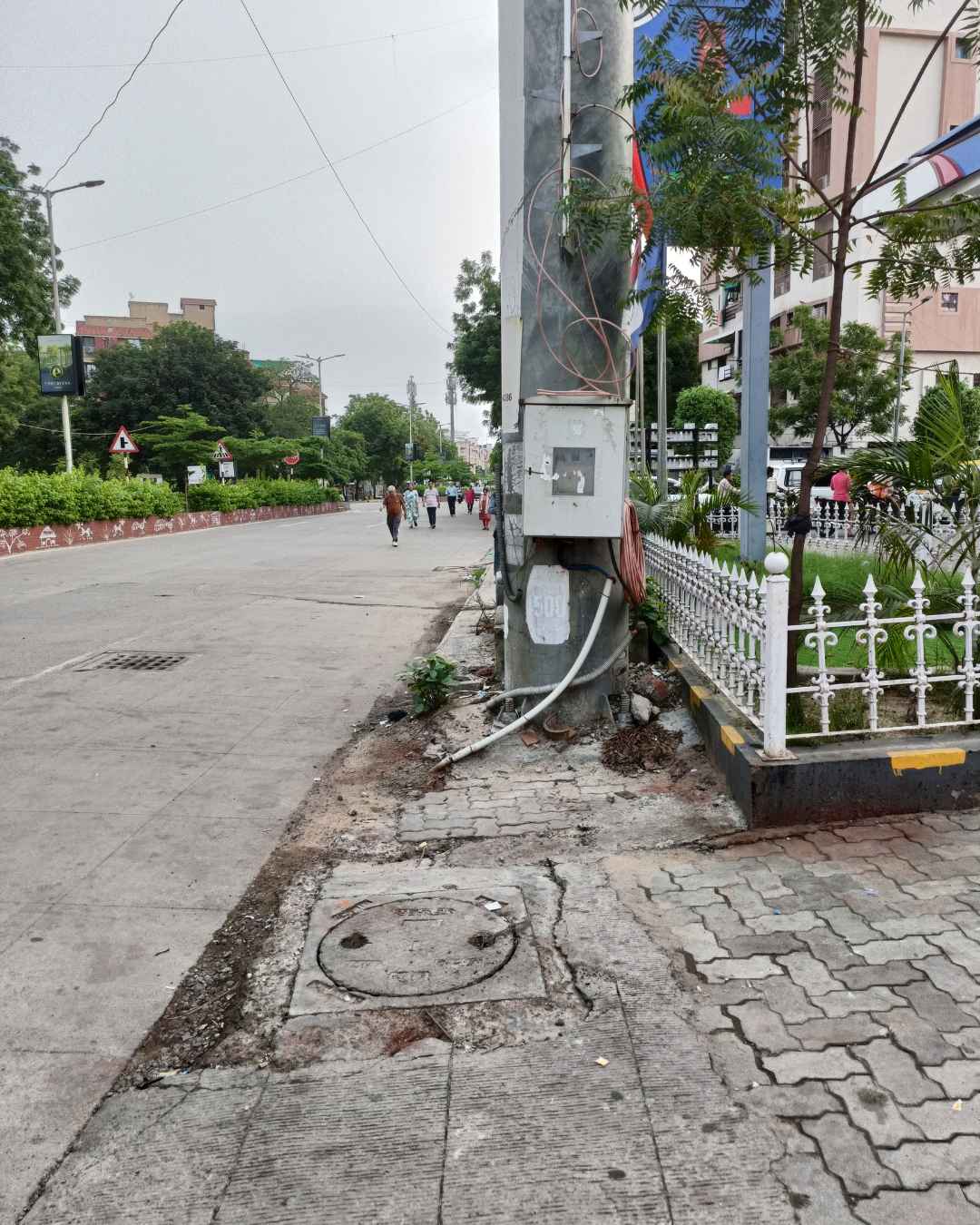
Footpath Encroachment in Ahmedabad: The Footpath Was Built, Then We Gave It Away
Twelve photographs from one Ahmedabad corridor show who really encroach the footpath, and a road design that gives everything its own place.
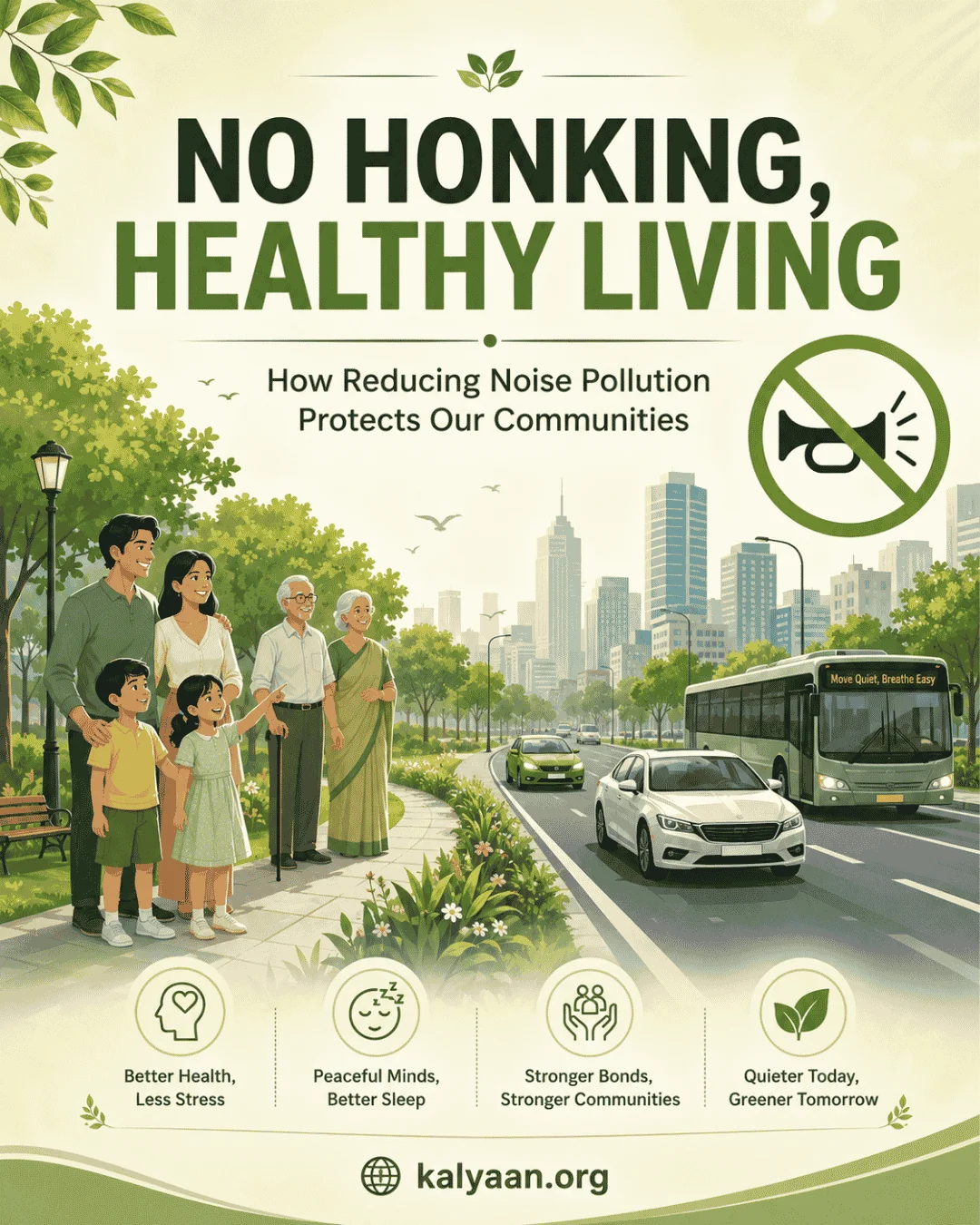
🚦 No Honking, Healthy Living: How Reducing Noise Pollution Protects Our Communities
Join the No Honking Reducing Noise Pollution campaign to protect health, reduce stress, and create calmer, safer cities for children, elders, and communities.
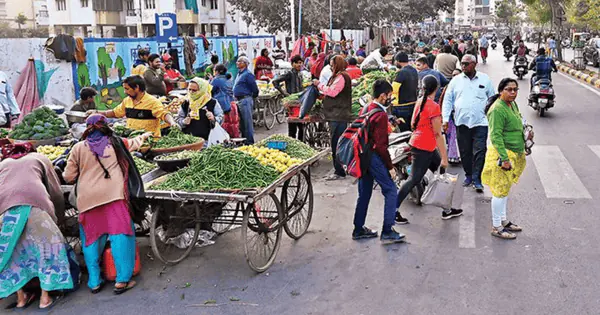
Right to Walk on Footpaths: Reviving Ahmedabad's Streets for Safety, Health, and Sustainable Urban Mobility
Discover how Kalyaan Foundation is advocating for the Right to Walk on Footpaths in Ahmedabad, promoting safety, health, and sustainable urban mobility.