 Belonging
A wider sense of belonging.
Responsibility to humanity, while valuing local identity and culture.

Exploring humanity's next layer of cooperation.
Our world is connected by technology, environment and economics, yet many of our systems are still defined by borders.
Kalyaan explores how people can build new forms of global identity, contribution and cooperation while respecting nations, cultures and local communities.
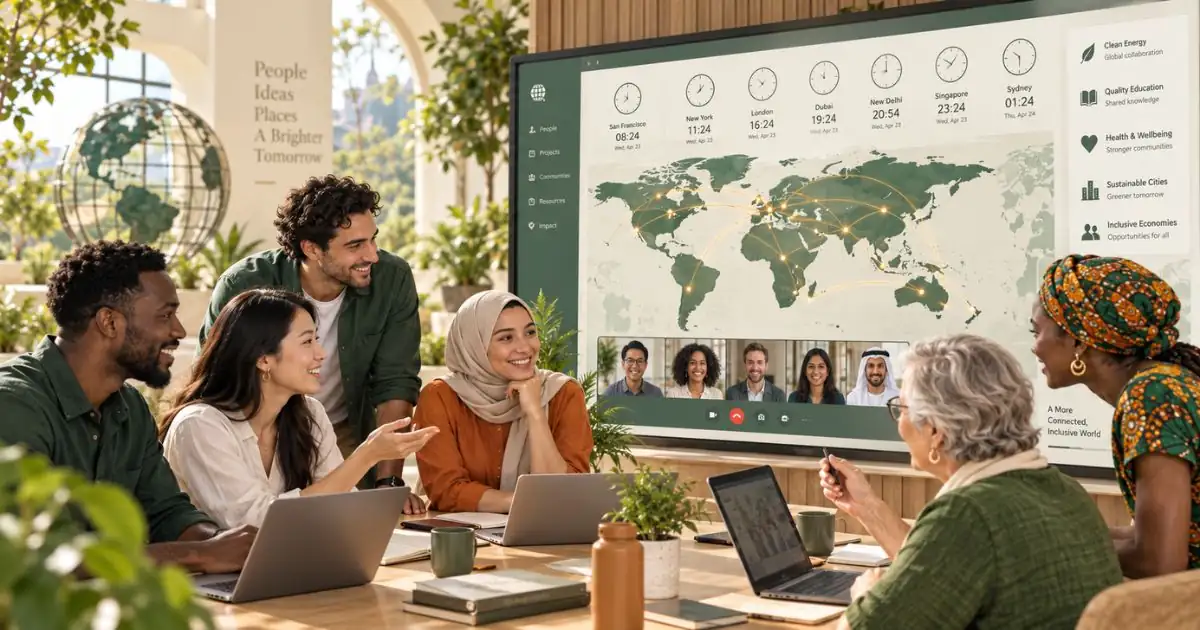
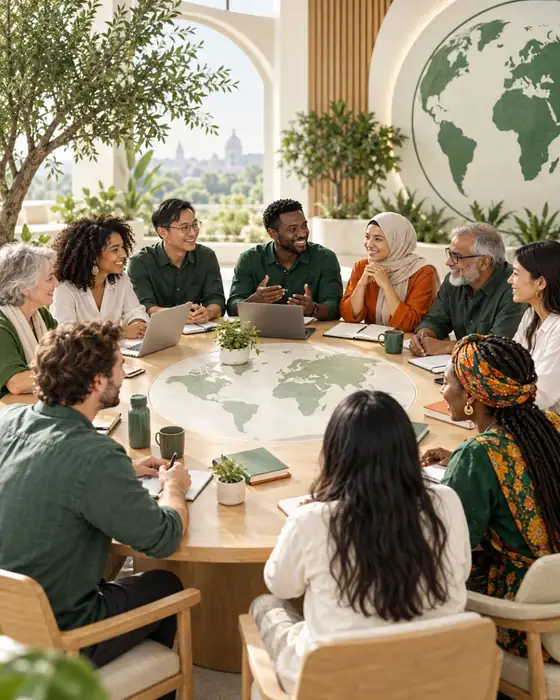
The atmosphere has no borders. Oceans, technology and artificial intelligence have no borders. Climate, trade and digital change cross national lines, but our responses are often fragmented.
Global governance, as Kalyaan sees it, is not one identity replacing all others. It is multiple layers of belonging: local, national and global.
Beyond borders. Not against nations.
Before building institutions, humanity needs better conversations. Kalyaan starts small and practical.
Bring people from different countries together to discuss shared challenges.
Dignity, opportunity, a healthy planet and a future more people can shape.
Simple, transparent tools for time, knowledge and participation.
Make it easy for anyone to contribute time, skills and ideas.
A borderless future should feel human, not abstract: people learning from one another and building a wider sense of belonging without erasing local identity.
BelongingResponsibility to humanity, while valuing local identity and culture.
 Dialogue
Shared problems are easier to solve when people talk and build trust.
 Shared planet
Nature, oceans, knowledge and the future of coming generations.

New forms of connection beyond where we happen to live.

Coordination on shared challenges, respecting existing institutions.

Shared care for air, oceans, nature and knowledge.

Fairer systems of value, contribution and exchange.
 Global Governance
Could a world without borders work without abolishing nations? Explore global citizenship, shared challenges and cooperation beyond national borders.
 Global Governance
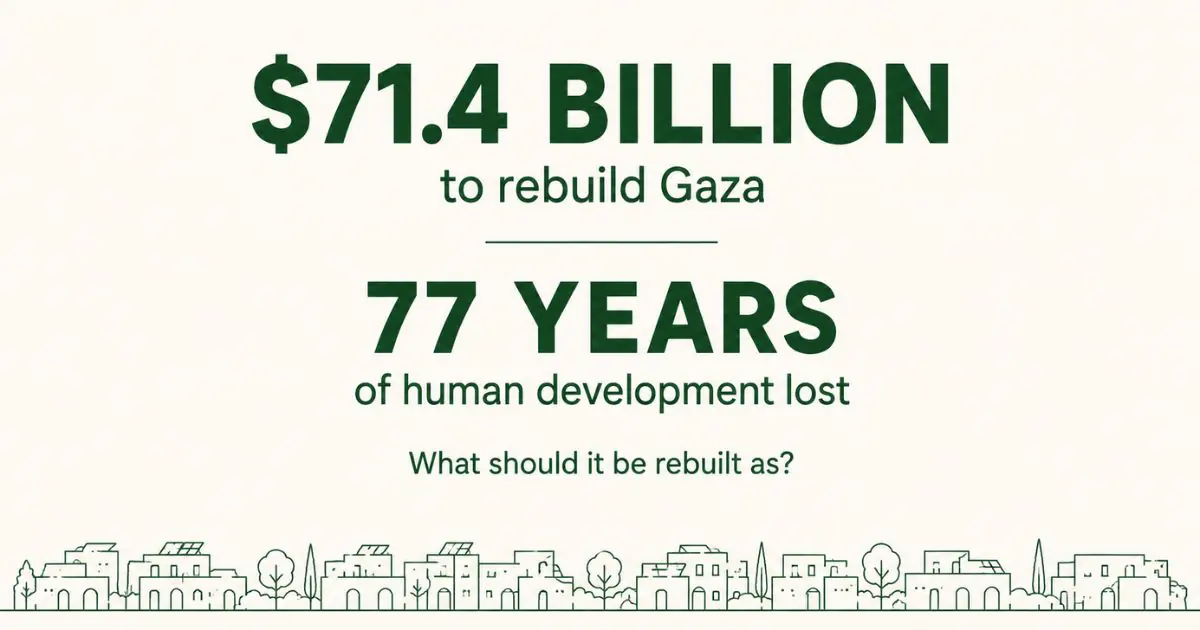
What should Gaza be rebuilt as? The UN puts reconstruction at $71.4 billion. A Gaza reconstruction plan built on livelihood first, not housing first.
 Global Governance
Explore the potential of a Global Digital Currency to revolutionize the financial landscape, bridging economies for greater access and stability.
Read Kalyaan's writing on global cooperation, or add your voice to the conversation about what comes next.